 Moringa Leaves
: Nutritional Value and Health Benefits
Moringa leaves have been used in Indian cooking for years and are known for their nutritional value. Learn what these leaves contain, how they can fit into your daily diet, and a few easy ways to enjoy them at home.
Introduction
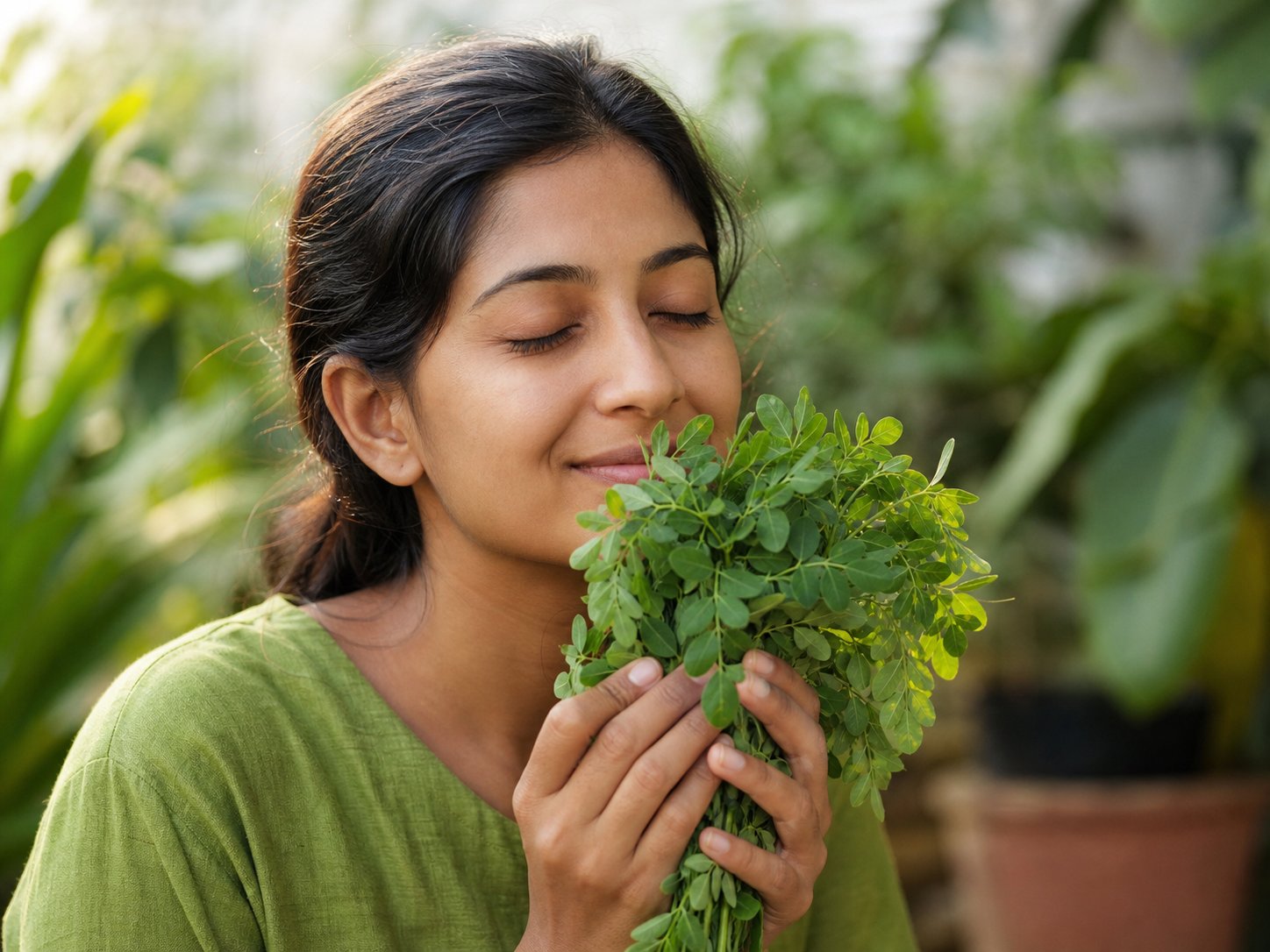
If you have grown up eating traditional Indian food, you may already know about moringa leaves. They are often used in homemade dishes and are known for their distinct taste and nutritional value. While many people are familiar with moringa pods, the leaves are also worth adding to everyday meals.
Moringa leaves are easy to cook with and can be used in different recipes. Let's understand what makes them a useful addition to a balanced diet.
What Do Moringa Leaves Contain?
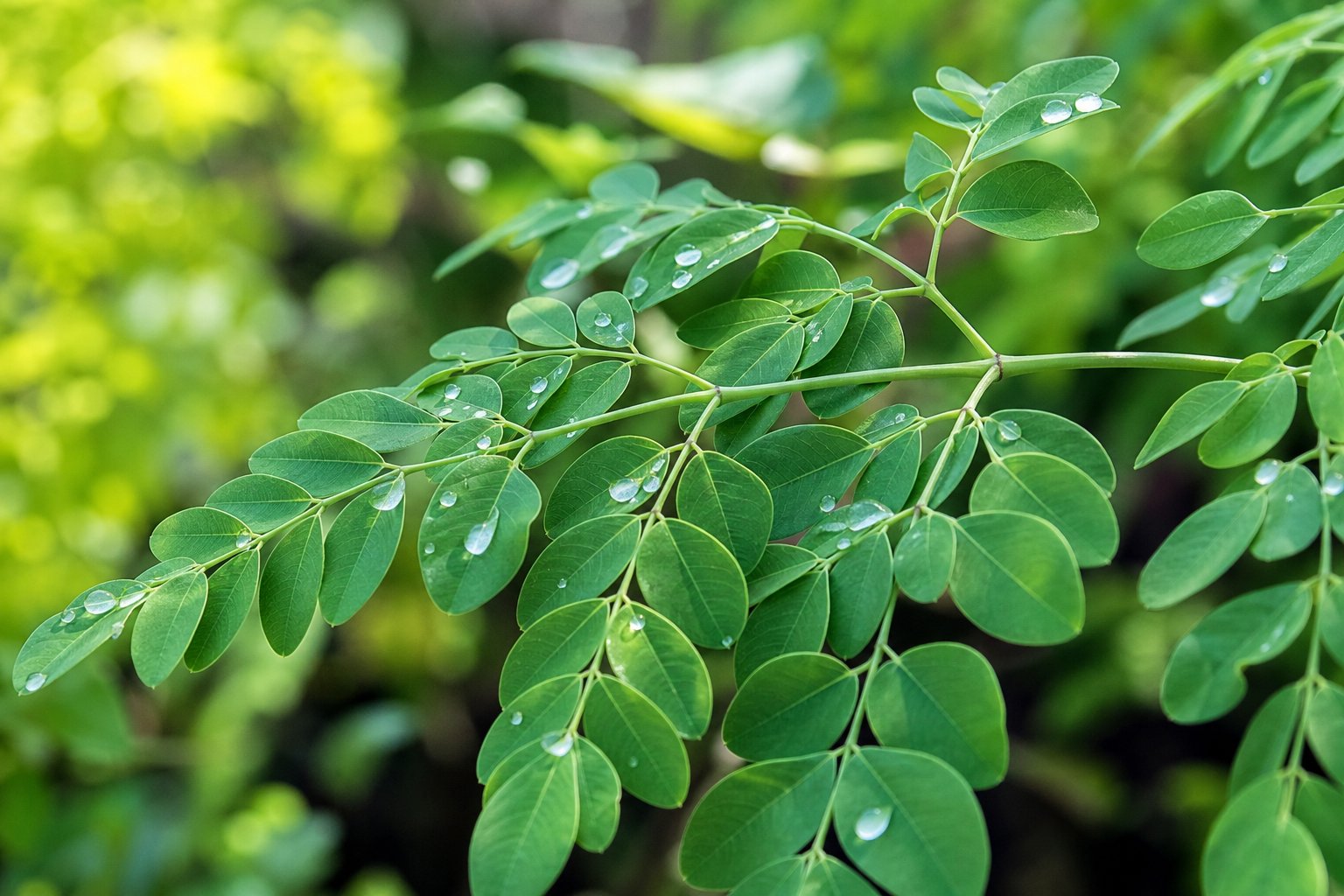
Moringa leaves contain several nutrients, including vitamins, minerals, and plant compounds. They can provide nutrients such as provitamin A, vitamin C, calcium, and iron. The actual amount depends on whether the leaves are fresh or dried and how they are prepared.
Adding moringa leaves to your meals is one way to bring more variety to your diet. Like other vegetables, they are best enjoyed alongside different nutritious foods rather than being relied on as the only source of nutrients.
What Are the Benefits of Moringa Leaves?
1. A Source of Important Nutrients
Moringa leaves contain nutrients that the body needs for its normal functions. Including them in meals can contribute to your overall nutrient intake as part of a varied diet.
2. Naturally Contain Antioxidants
Moringa leaves contain plant compounds with antioxidant properties. These compounds help protect cells from oxidative stress, which occurs naturally in the body.
3. A Useful Addition to Everyday Meals
You don't need to prepare anything special to enjoy moringa leaves. They can be added to familiar homemade recipes, making it easier to include a wider variety of vegetables in your meals.
4. Suitable for Plant-Based Meals
If you enjoy eating plant-based foods, moringa leaves are another ingredient you can try. They can be cooked with dal, vegetables, and other everyday dishes to add variety to your meals.
5. Easy to Use in Indian Cooking
One reason moringa leaves remain popular is that they work well with familiar Indian flavours. You can cook them with onions and spices or add them to dal, sabzi, and homemade soups.
How to Eat Moringa Leaves
Moringa leaves don't require complicated recipes. Here are a few ways to use them in your kitchen.
Add Them to Dal
Wash the leaves properly and cook them with dal and your regular spices. This is an easy option if you want to try moringa without changing your usual meals.
Make Moringa Sabzi
You can cook moringa leaves with onions, garlic, and spices to prepare a simple sabzi. Adjust the ingredients according to your taste and serve it with roti or rice.
Add Them to Soup
If you prefer lighter meals, try adding moringa leaves to homemade vegetable soup. They can be cooked along with other vegetables for a simple, warm dish.
Try Moringa Powder
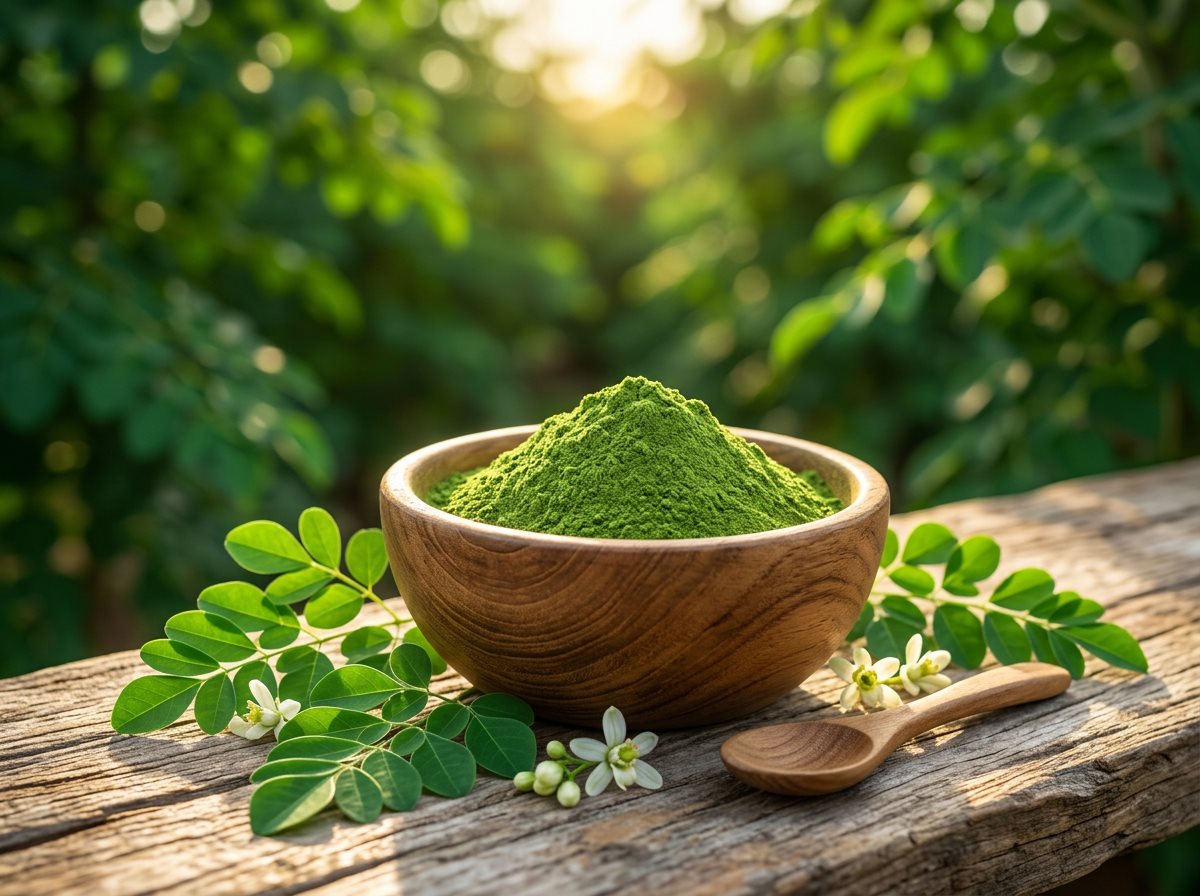
If fresh leaves are not easily available, moringa powder is another option. It can be added to suitable foods such as soups or smoothies. Follow the serving instructions on the product label.
Fresh Moringa Leaves or Moringa Powder?
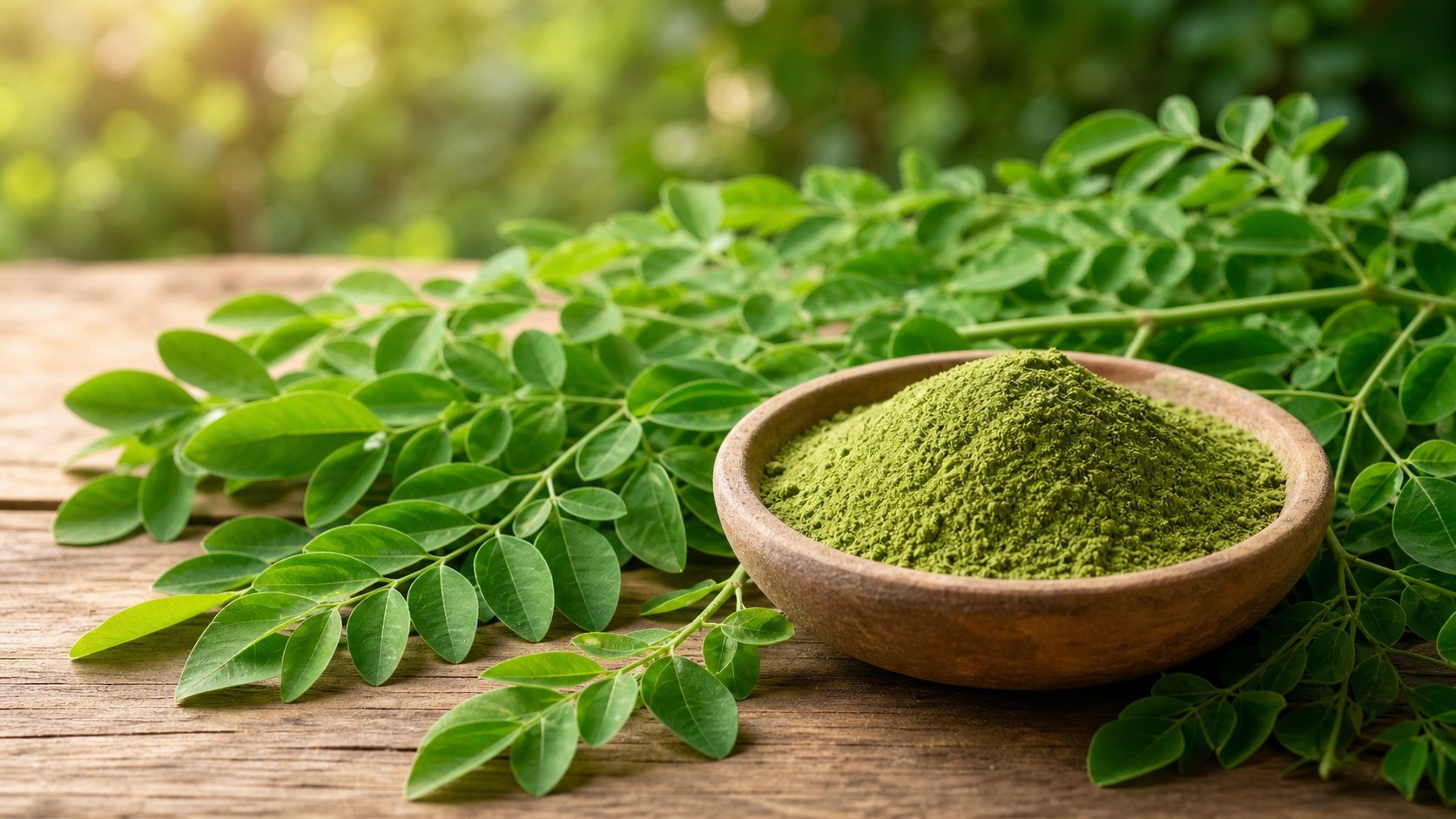
Both options can be useful, depending on how you like to prepare your food. Fresh leaves are a good choice for traditional recipes, while moringa powder is convenient to store and use when needed.
Keep in mind that drying and processing can change the concentration of certain nutrients. Choose the form that works best for your cooking habits and buy products from a reliable source.
A Few Things to Remember Before Eating Moringa Leaves
Moringa leaves can be enjoyed as part of a balanced diet, but they should not be treated as a medicine or a cure for health problems.
Wash fresh leaves thoroughly before cooking. If you use packaged moringa powder, check the ingredients, expiry date, and storage instructions. People who are pregnant, breastfeeding, taking regular medication, or managing a medical condition should consult a healthcare professional before using concentrated moringa supplements.
Conclusion
Moringa leaves are a familiar ingredient in Indian kitchens, and there are plenty of simple ways to enjoy them. You can add them to dal, prepare a sabzi, or try them in homemade soup. If fresh leaves are not available, moringa powder can also be a convenient alternative.
The important thing is to enjoy moringa as part of a varied diet that includes different vegetables, fruits, pulses, and other nutritious foods. Understanding how to use everyday ingredients can help you make food choices that suit your routine.
At Arniva Herbals, we believe that learning about natural ingredients is a simple first step towards making informed choices about everyday nutrition.