 Superfoods
Moringa vs. Other Superfoods: What Makes Moringa Unique?
Chia seeds, spinach, kale, and spirulina are popular choices for healthy eating, but moringa has its own benefits. Its leaves contain a variety of nutrients and are easy to include in everyday meals. So, how is moringa different from other superfoods, and what makes it worth trying?
What Makes Moringa Different from Other Superfoods?
There are plenty of nutritious foods available, and each offers something different. Chia seeds are known for their fibre and omega-3 fats, spinach provides important vitamins and minerals, and spirulina is valued for its protein content.
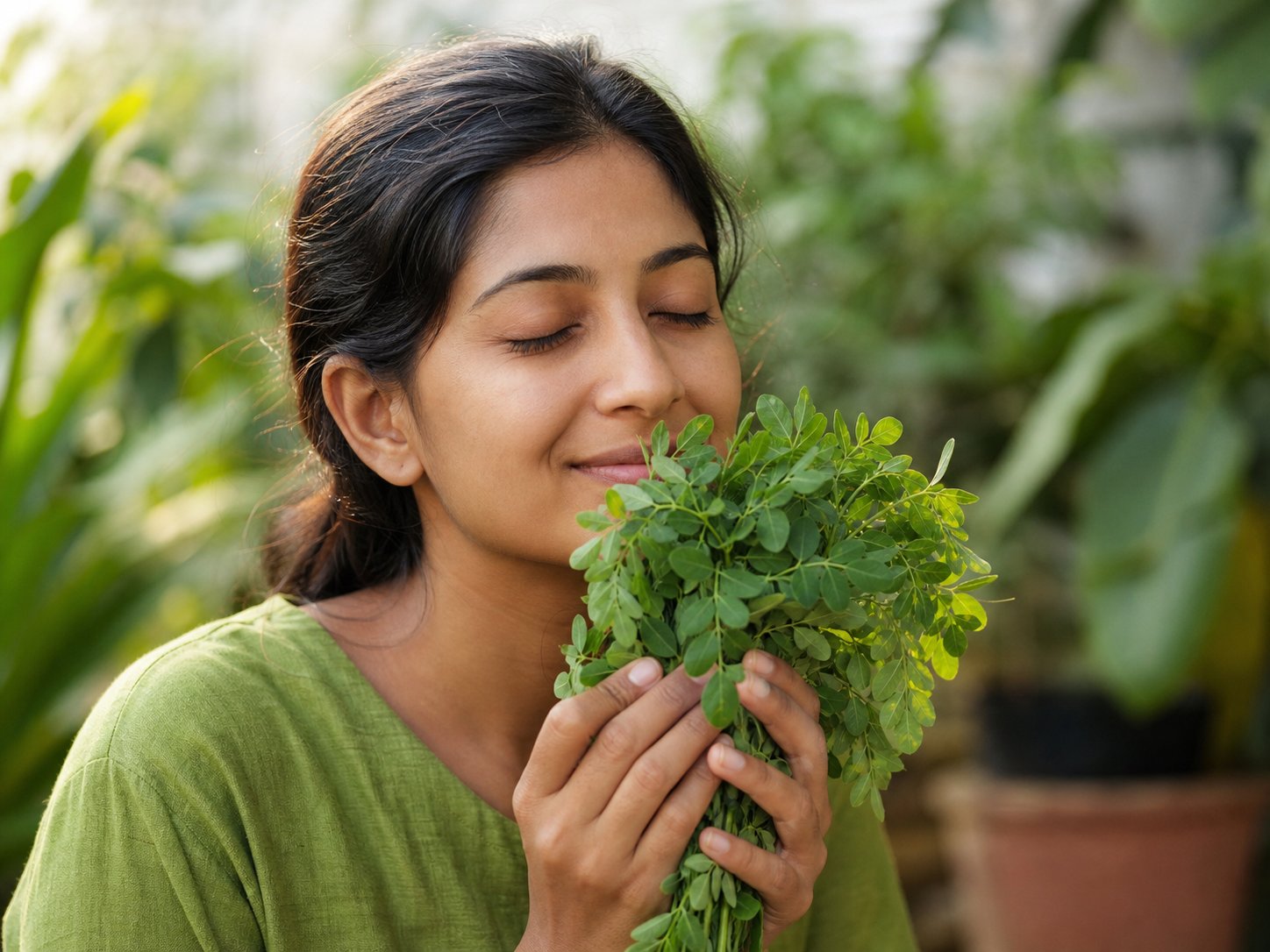
Moringa is especially popular because its leaves can be used in different ways. You can cook fresh moringa leaves with vegetables or dal, or use moringa powder in smoothies and other recipes. This makes it an easy option for people who want to add more plant-based foods to their diet.
Moringa vs. Spinach
Spinach is a common leafy vegetable that provides nutrients such as folate, vitamin K, and carotenoids. Moringa leaves also contain vitamins, minerals, and plant compounds.
Both are good options for everyday meals. You do not have to choose one over the other. Including different leafy vegetables in your diet is a simple way to enjoy a wider variety of nutrients.
Moringa vs. Chia Seeds
Chia seeds are known for their fibre, plant-based omega-3 fats, and minerals. Moringa leaves offer a different mix of nutrients, including vitamins and naturally occurring plant compounds.
The two foods serve different purposes in a balanced diet. You can add chia seeds to oats or smoothies and use moringa leaves in dal, soups, or vegetable dishes.
Moringa vs. Kale
Kale is another leafy green known for its vitamins, minerals, and fibre. Moringa leaves also provide a range of nutrients, although the exact amount depends on how the leaves are grown and prepared.
Both can be useful additions to your meals. If kale is not easily available in your area, moringa leaves may be a familiar alternative to explore.
Moringa vs. Spirulina
Spirulina is a blue-green microorganism commonly sold as a powder or supplement. It is known for its protein content and is often added to smoothies.
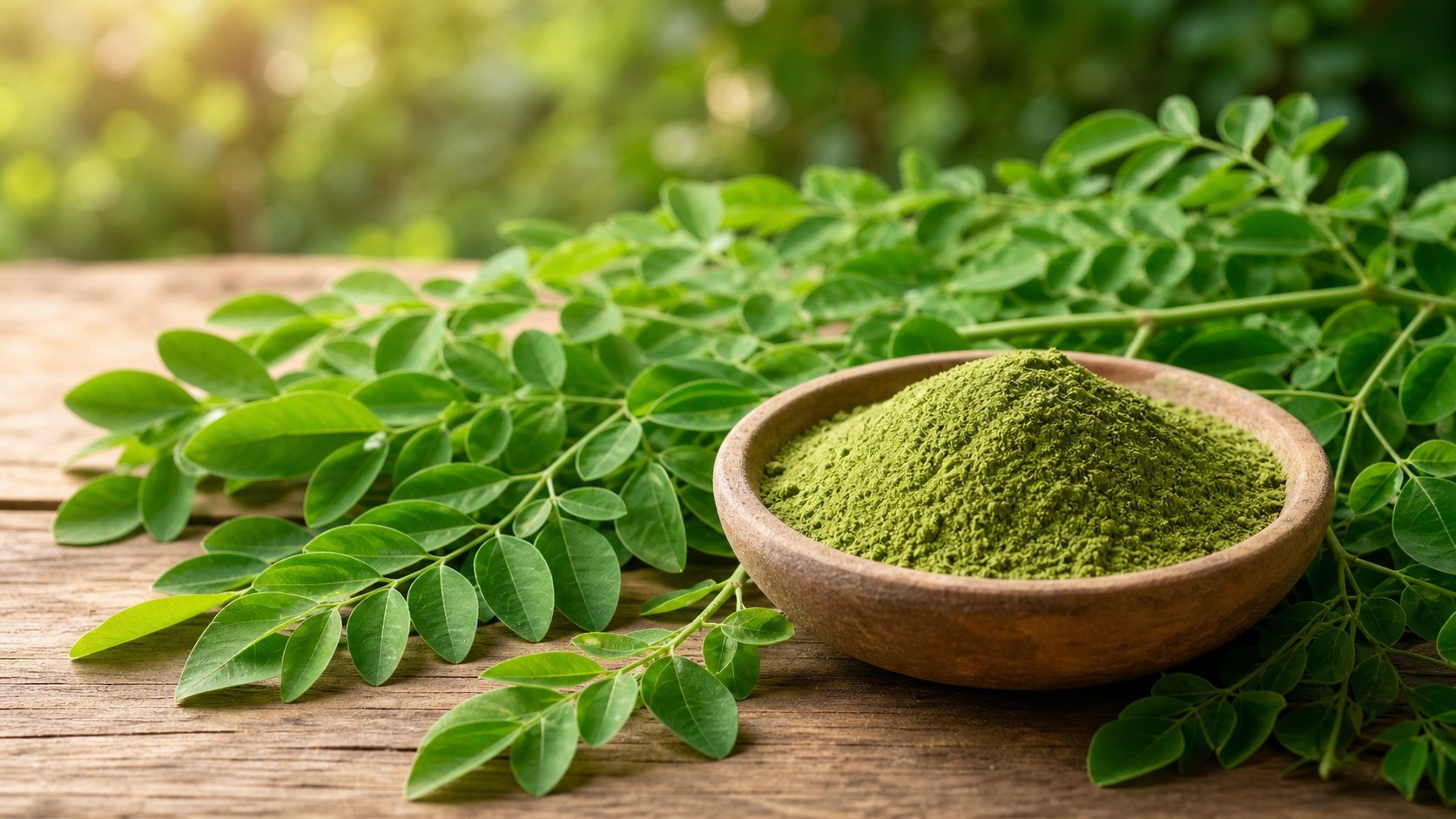
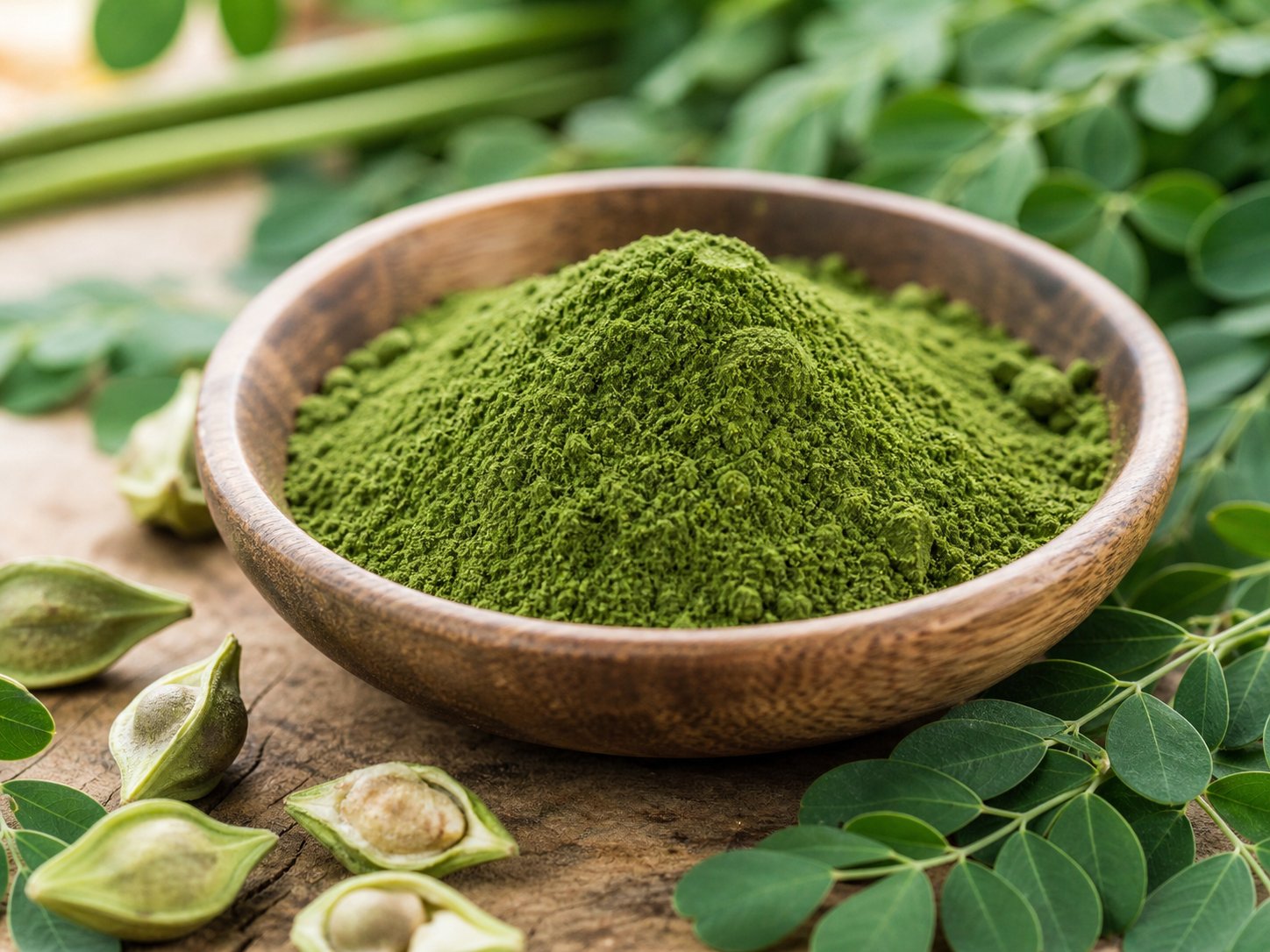
Moringa powder, on the other hand, is made from moringa leaves. It can be mixed into soups, dals, and other dishes. Although both are available in powdered form, their nutritional profiles are different.
Why Do People Add Moringa to Their Daily Diet?
One reason people choose moringa is that it can fit into everyday cooking without requiring complicated recipes.
Here are a few simple ways to use it:
- Add fresh moringa leaves to dal or vegetable dishes.
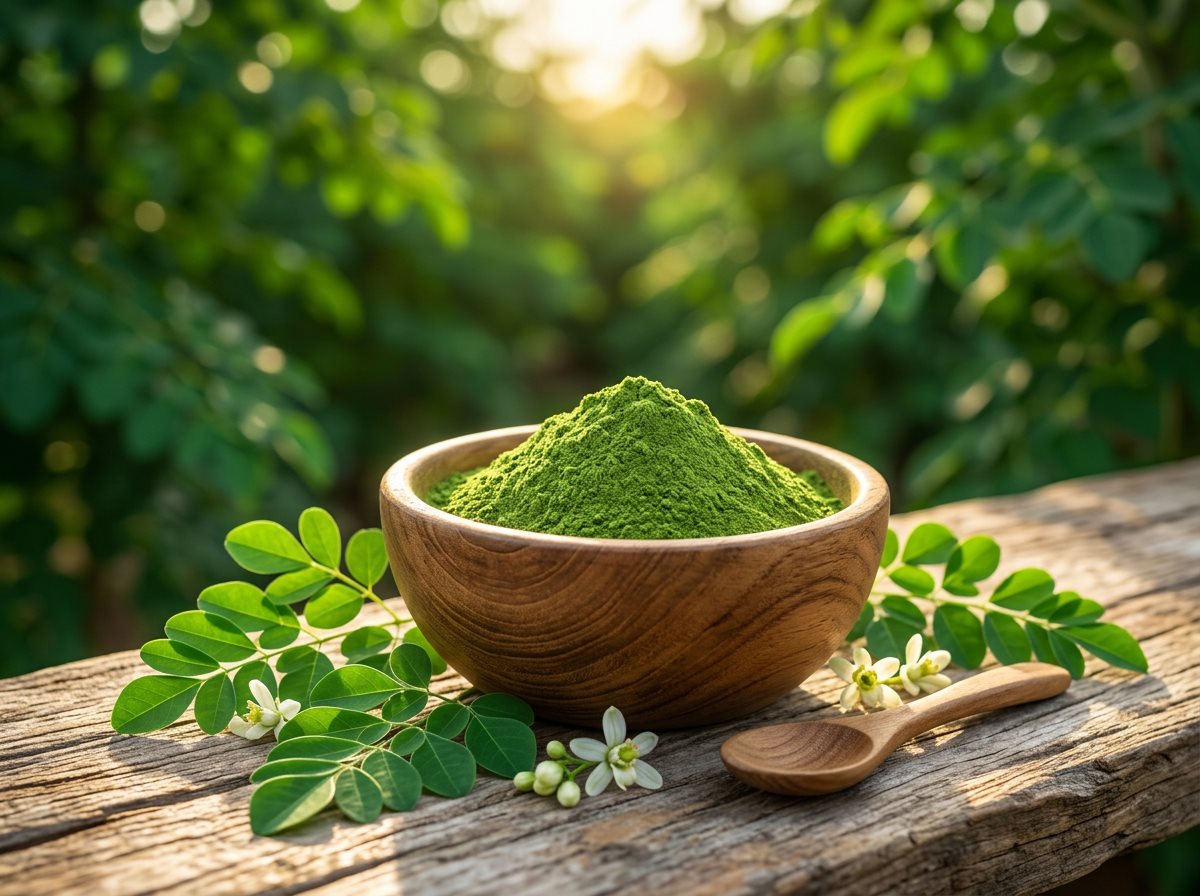
- Mix a small amount of moringa powder into a smoothie.
- Use moringa leaves in soups or homemade recipes.
- Try moringa powder in savoury dishes, following the product's usage instructions.
Moringa leaves contain various nutrients and plant compounds, but their nutritional value can vary depending on the variety and preparation method.
Is Moringa Better Than Other Superfoods?
There is no single superfood that is best for everyone. Each food has its own nutritional qualities, and the right choice depends on your diet and preferences.
Moringa is a useful option because of its versatility and nutrient content. However, it should not replace a balanced diet or be treated as a cure for health problems. Eating a variety of vegetables, fruits, pulses, whole grains, nuts, and seeds remains important.
Add More Variety to Your Everyday Meals
Moringa does not need to replace the other healthy foods you already enjoy. It can simply be another addition to your kitchen. Whether you prefer fresh moringa leaves or moringa powder, there are several easy ways to include it in your meals.
At Arniva Herbals, you can explore moringa products and find a convenient way to make moringa part of your daily routine. Choose quality products and enjoy them as part of a varied, balanced diet.